

Adult Size and Lifespan
Adult size
- Males: 14–24 inches
- Females: 24–36 inches
Lifespan
- 15–20 years with proper care
Housing
Western hognoses require:
Temperature
Western hognose snakes thrive in warm daytime temperatures with a cooler retreat.
- Basking area: 90–95°F
- Warm side: 80–85°F
- Cool side: 70–75°F
- Night temperatures: low 70s°F are acceptable
Heat can be provided using basking bulbs, ceramic heat emitters (CHE), or heat mats (always on a thermostat).
Use a thermostat and reliable thermometers to prevent overheating.
Lighting
Western hognose snakes are diurnal, meaning they are naturally active during the day.
UVB lighting is still an area of ongoing research in snakes, but studies and clinical observation show that diurnal species often demonstrate improved activity, better feeding responses, and more natural behavior patterns.
Recommended UVB:
- 5%–10% UVB
- Linear bulbs (T5 or T8) are preferred over compact bulbs
Bulb replacement:
- Compact bulbs: every 3–6 months
- Linear bulbs: every 8–10 months (replace even if visible light is still produced)
You can learn more about UVB Light here.
Humidity
- Target humidity: 30–50%
Humidity can be maintained by lightly moistening soil substrate once weekly and providing a humid hide with damp sphagnum moss.
Never allow the enclosure to become waterlogged, as this promotes bacterial growth and respiratory disease.
Feeding
In the wild, western hognose snakes primarily eat amphibians. In captivity, they should eat frozen-thawed rodents.
Feeding Guidelines
Hatchlings: pinky mice every 3–4 days
Juveniles: appropriately sized mice as they grow
Adults: once weekly feeding
Prey size should be approximately the same width as the snake's body.
Frozen-thawed rodents are the safest option. Snakes should be transitioned to rodents before purchase
Feeding Challenges (common in this species)
Western hognose snakes can be picky eaters, especially when young. Helpful strategies:
Scent prey with tuna juice or amphibian water
Warm prey thoroughly
Dip prey briefly in warm scented water
Offer prey with tongs and allow the snake to drink water droplets first
Purchasing a snake that has already eaten 3–4 rodent meals consistently greatly reduces feeding issues.
Venom Note (Important for Owners)
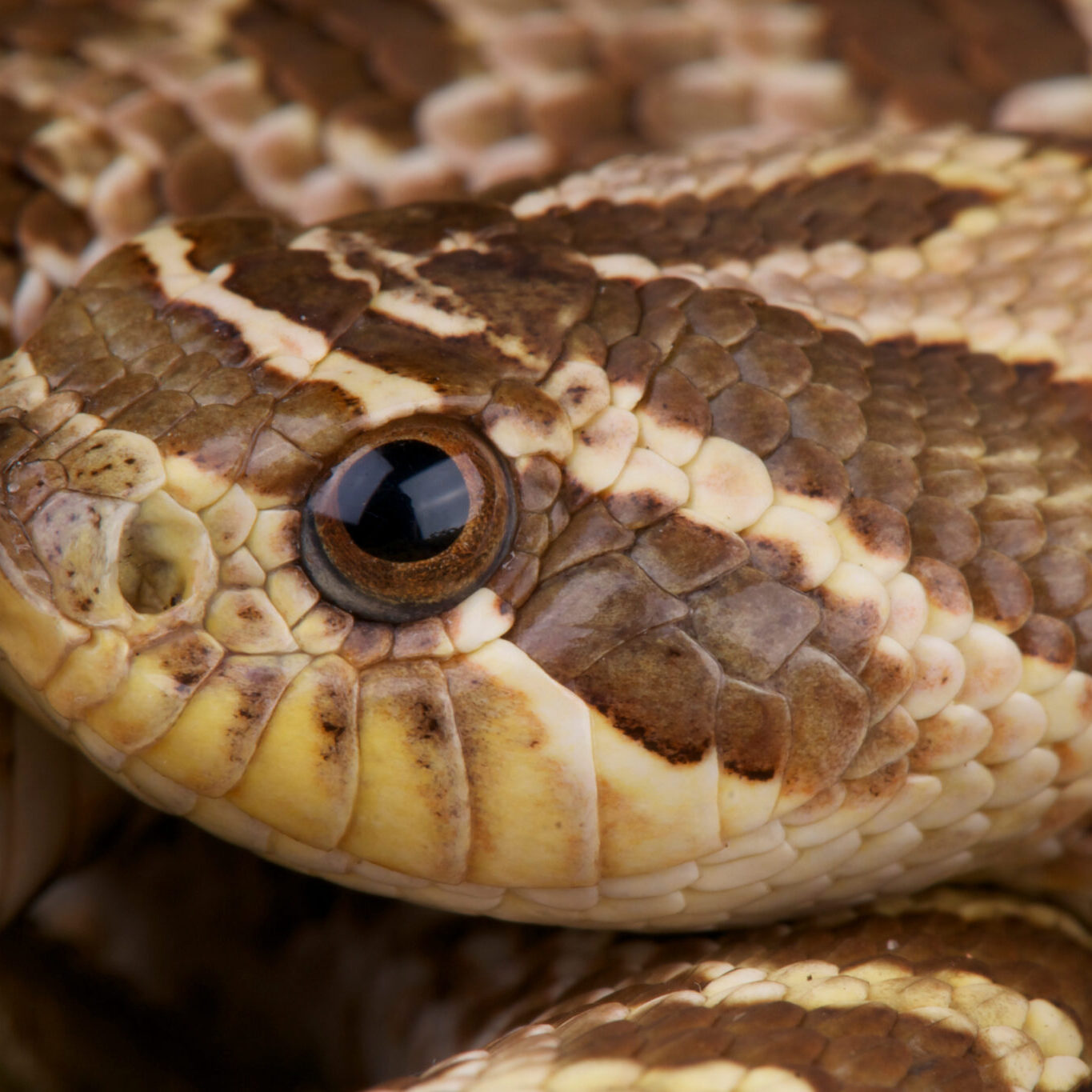
Western hognose snakes are rear-fanged and mildly venomous, but they are not dangerous to humans. Bites are rare and typically occur only during feeding mistakes. Reactions in people are usually mild and localized. Should you be bitten by your hognose, please seek medical attention.
Handling
Western hognoses are generally docile but easily stressed.
- Allow several days to acclimate before handling
- Start with short handling sessions
- Always support the body from underneath
- Handle close to the ground to prevent injury
- Avoid handling for 24 hours after feeding
Defensive behaviors such as hissing or playing dead are stress responses, not aggression.
Common Medical Problems
Impaction
- Can occur if substrate is ingested during feeding
- Feed in a separate container when possible
- Seek veterinary care if stools are infrequent or absent
Respiratory infection
Signs include wheezing, open-mouth breathing, and mucus or bubbles from the mouth or nose. Often linked to improper temperature, humidity, or air quality.
Poor appetite
- Common in young hognoses
- Often related to natural diet preferences
- Persistent refusal to eat warrants veterinary evaluation
Stomatitis (mouth infection)
- Fragile gums and teeth
- Swelling, scabs, or discharge around the mouth are abnormal
- Requires veterinary treatment
Preventative Care
Daily and weekly care should include:
- Daily temperature checks
- Weekly spot cleaning
- Monthly full enclosure cleaning
- Secure enclosure checks
- Feeding and shedding records
A yearly veterinary wellness exam is recommended to monitor growth, body condition, and overall health. Fecal exams twice yearly are recommended.
Is a Western Hognose Snake Right for You?
Western hognose snakes are unique, expressive, and rewarding reptiles when their natural behaviors are respected. Proper husbandry, patience with feeding, and regular veterinary care are the keys to a long, healthy life.
Or give us a call at (603) 898-8982!