
Posts by KateV
Bringing Your Pet Bird to the Veterinary Hospital
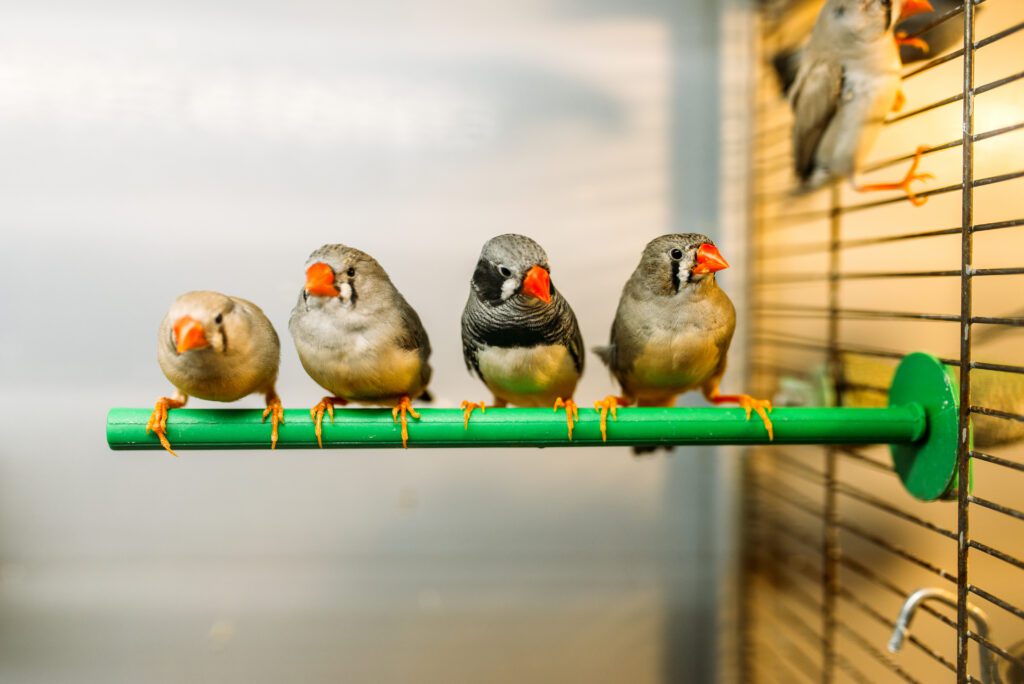
We follow AAHA standards that prioritize patient safety, gentle handling, and minimizing stress. Birds are especially sensitive to handling, temperature changes, and unfamiliar environments. With the right preparation, you can help make your bird’s visit safer and more comfortable. Preparing Your Bird for the Appointment Please do not offer food or water for two hours…
Read MoreAvian Bornavirus (ABV) and PDD in Pet Birds
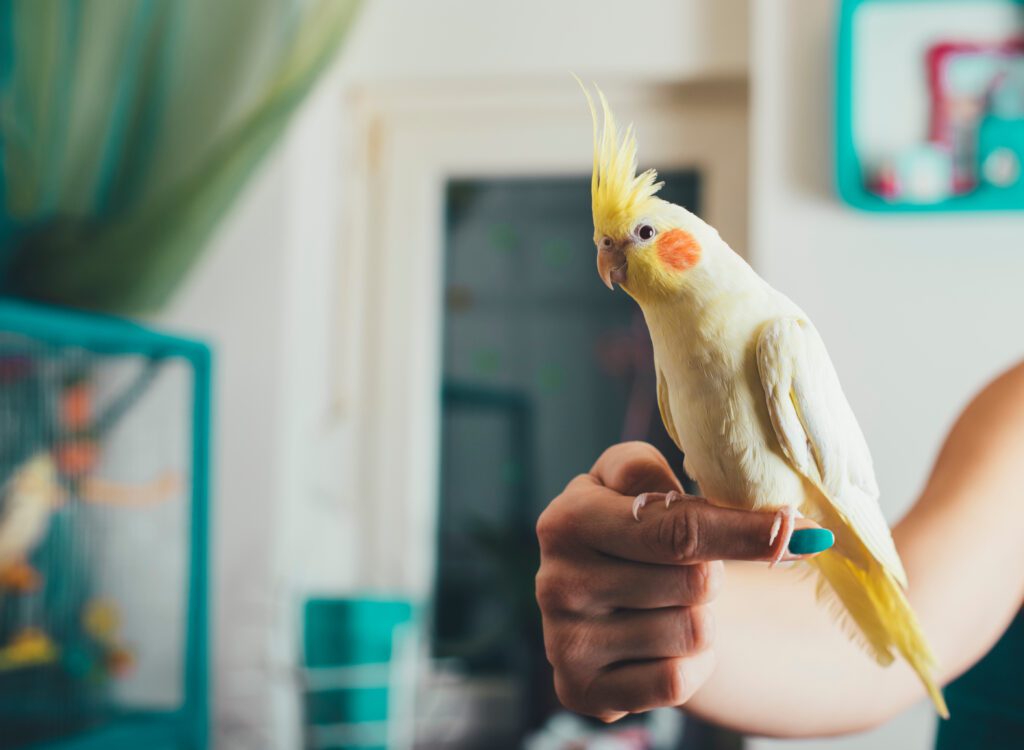
What Is Avian Bornavirus? Avian Bornavirus (ABV) is a group of RNA viruses that can infect many bird species, especially parrots and other psittacines. ABV has been identified worldwide and is best known for its association with Proventricular Dilatation Disease (PDD)—also called neuropathic ganglioneuritis or avian ganglioneuritis. PDD is a chronic inflammatory disease that can…
Read MoreBladder Sludge in Rabbits
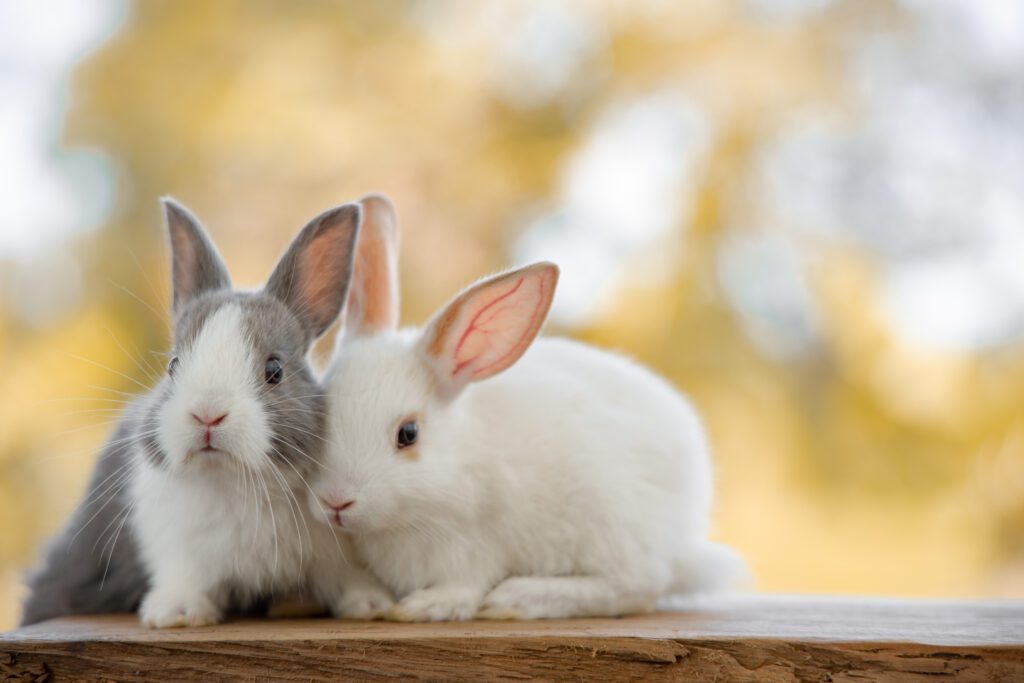
Bladder sludge is a fairly common condition that can affect rabbits of any age or breed. While it is often manageable, it can be difficult to cure completely and may recur. This handout explains what bladder sludge is, how it is diagnosed and treated, and what you can do at home to help prevent or…
Read MoreScaly Leg Mite in Chickens
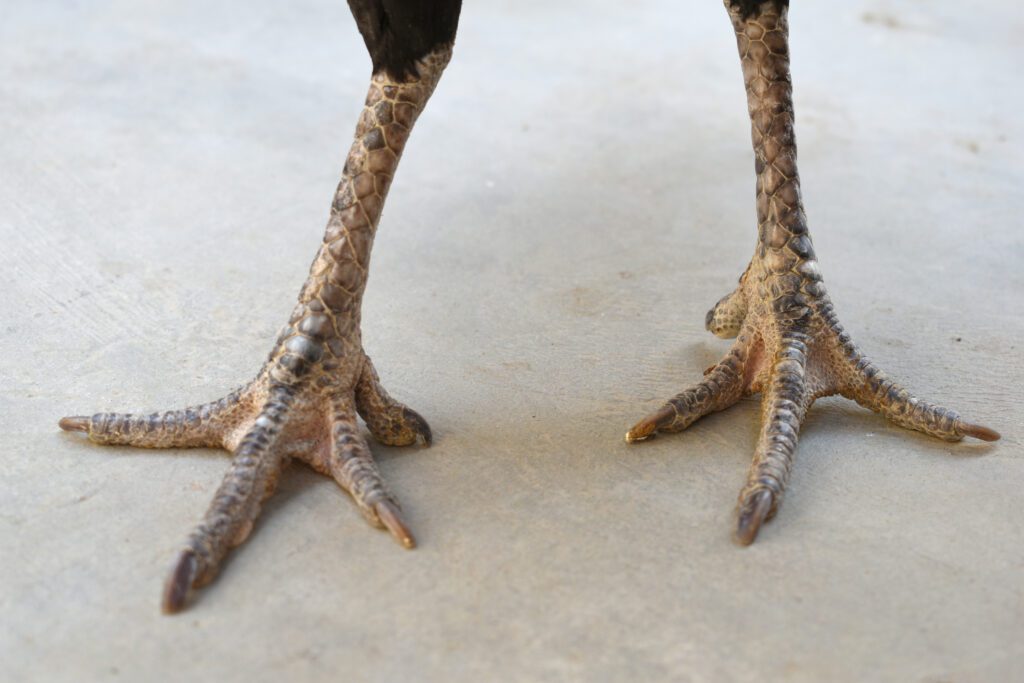
What Is Scaly Leg Mite? Scaly leg mite (Knemidocoptes) is a microscopic parasite that burrows underneath the scales of a chicken’s legs and feet. As the mites tunnel and reproduce, they cause irritation, inflammation, and abnormal scale growth. If left untreated, scaly leg mites can lead to pain, infection, deformity of the toes or feet,…
Read MoreState Laboratory and NPIP Resources for Poultry Owners
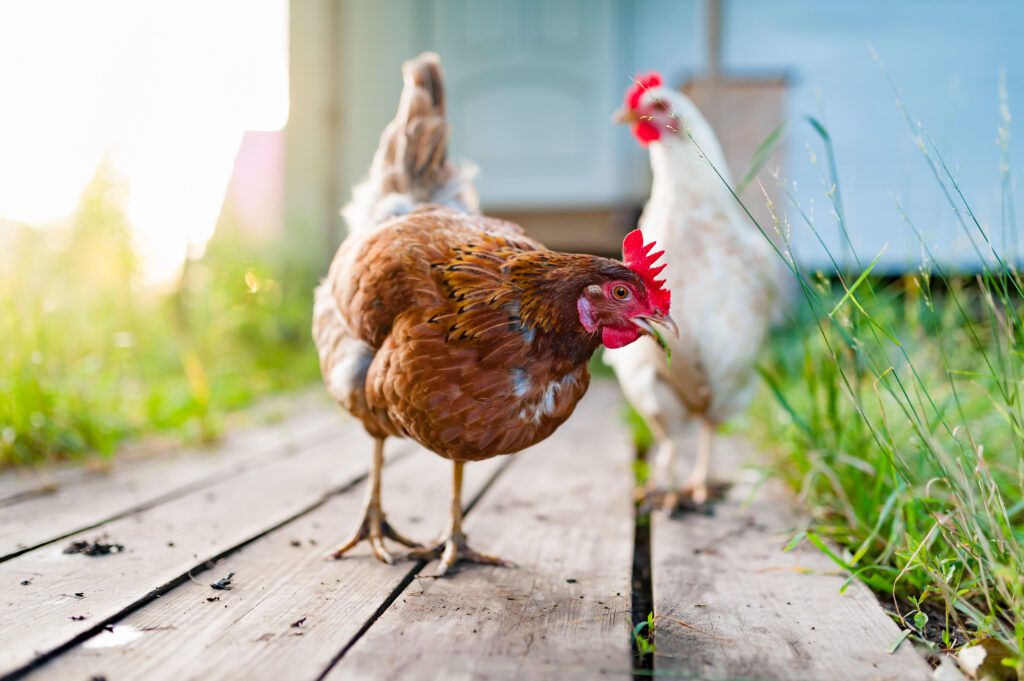
Early testing and proper reporting protect your flock, neighboring flocks, and public health. The resources below help you find trusted testing laboratories, state poultry officials, and disease control programs quickly if concerns arise. State Veterinary Diagnostic Laboratories Every U.S. state has a state-approved veterinary diagnostic laboratory that can test poultry samples for infectious, nutritional, parasitic,…
Read MoreTransitioning Birds From Seed Diets to Pellets and Fresh Foods
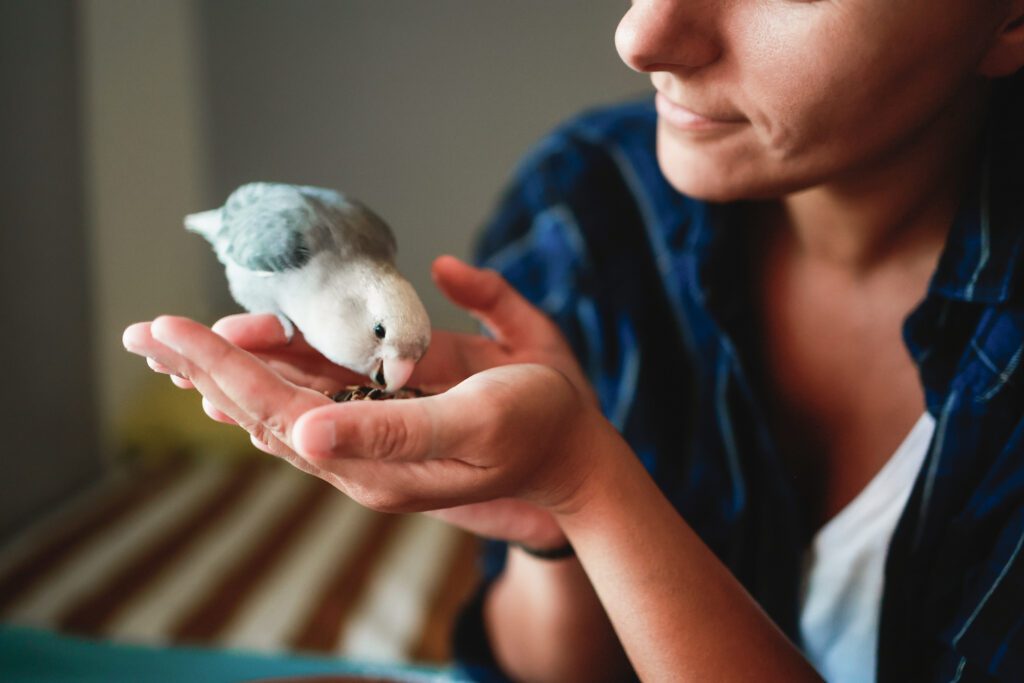
A healthy diet is one of the most important factors in your bird’s long-term health. Many companion birds are raised on seed diets, but seeds alone are nutritionally incomplete and can lead to obesity, vitamin deficiencies, liver disease, poor feather quality, and shortened lifespan. A balanced diet should include: High-quality pelleted food as the foundation…
Read MoreWhy Is My Bird’s Beak Overgrowing?
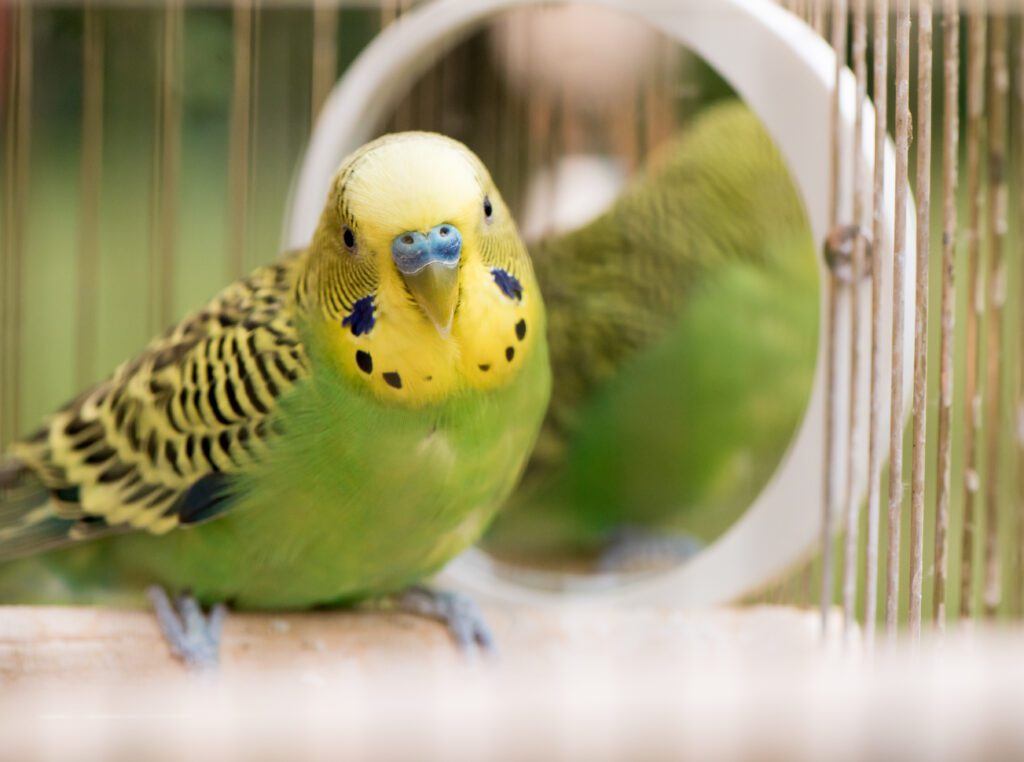
A healthy bird’s beak grows continuously throughout life, much like our fingernails. Under normal circumstances, daily eating, climbing, chewing, and playing naturally wear the beak down and keep it at the correct length and shape. When a beak becomes too long or begins to change shape, it is usually a sign that something is not…
Read MoreBrumation in Bearded Dragons
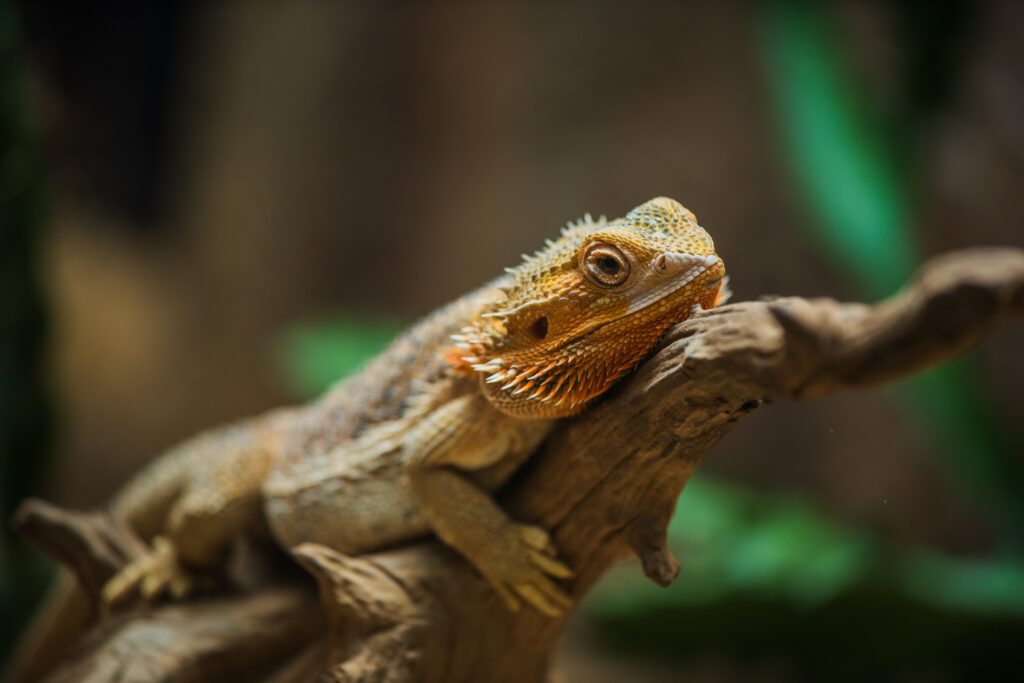
Bearded dragons (Pogona vitticeps) are native to the arid regions of Australia. In the wild, they experience seasonal changes in temperature and daylight. One normal response to these changes is brumation, a period of reduced activity similar to hibernation in mammals. Brumation can be surprising and even concerning to pet owners, especially the first time it…
Read More